Consuelo Vélez Álvarez, BSN, PhD2, Natalia Sánchez Palacio, BSN, MSc3, Diana Paola Betancurth Loaiza, BSN, PhD4*
Recibido para publicación: 13-02-2026. Versión corregida: 8-04-2025. Aprobado para publicación: 29-04-2025.
Modelo de citación:
Vélez Álvarez C., Sánchez Palacio N., Betancurth Loaiza D.P. Measurement properties of the Sense of Coherence (SOC) scale: a narrative review. Arch Med (Manizales). 2026;26(1). https://doi.org/10.30554/archmed.26.1.5595.2026
Introduction: The Sense of Coherence (SOC) scale has been widely used in health research, supported by evidence regarding its psychometric properties across di- verse populations and sociocultural contexts. However, inconsistencies persist in the assessment and reporting of these properties, highlighting the need for a critical and integrative synthesis. This study aimed to synthesize and interpret the available evidence on the measurement properties of the SOC scale, with an emphasis on its validity, reliability, and structural characteristics. Methodology: A narrative review with an interpretive approach was conducted. The search was carried out in PubMed, Scopus, SciELO, ScienceDirect, the Virtual Health Library, and Google Scholar. Studies were selected based on their thematic relevance and their contribution to the analysis of the scale’s psychometric properties. The analysis focused on identifying
This article is derived from the main author’s master’s thesis entitled “Content validity of the Sense of Coherence Scale (SOC-29) in young Colombian university students” and from the microproject: “Psychometric properties of the Sense of Coherence Scale (SOC-29) in young university students in the municipality of Manizales.”
University of Caldas, Manizales, Caldas, Colombia. ORCID: https://orcid.org/0000-0001-7274-7304. Google Scho- lar: https://scholar.google.es/citations?user=pMEp5RAAAAAJ&hl=es.
Email: consuelo.velez@ucaldas.edu.co.
University of Caldas, Manizales, Caldas, Colombia. ORCID: https://orcid.org/0000-0002-3405-5144. Google Scholar: https://scholar.google.es/citations?user=Z5f-8B0AAAAJ&hl=es.
Email: Natalia.sanchez@ucaldas.edu.co. Corresponding author
University of Caldas, Manizales, Caldas, Colombia. ORCID: https://orcid.org/0000-0001-7620-2336. Google Scholar: https://scholar.google.es/citations?user=m56IHbkAAAAJ&hl=es.
Email: diana.betancurth@ucaldas.edu.co.
Vélez Álvarez C., Sánchez Palacio N., Betancurth Loaiza D.P. Measurement properties of the Sense of Coherence (SOC) scale: a narrative review.
Arch Med (Manizales). 2026;26(1)
patterns, consistencies, and variations in the findings, without applying formal quality assessment frameworks. Results: The SOC scale demonstrated consistent structural validity, high internal consistency, and adequate cross-cultural validity across multiple contexts. Criterion and construct validity were supported by consistent associations with variables related to mental health, coping, and well-being. Responsiveness was adequate in the studies that assessed it. However, reliability varied according to con- text and population, and measurement error was poorly assessed or inconsistently reported. Content validity was scarcely addressed, constituting a significant gap. Conclusion: The SOC scale demonstrates adequate overall psychometric perfor- mance and remains useful in health research. However, some properties—especially reliability, measurement error, and content validity—require cautious interpretation. Strengthening methodological rigor and expanding its validation in diverse contexts are recommended.
Keywords: Review, Scientific evidence; Sense of coherence; Public health; Evalua- tion Studies as Topic; Surveys and Questionnaires; Holistic Health; Community Health Indicators.
Introducción: La escala de Sentido de Coherencia (SOC) se ha utilizado ampliamente en investigación en salud, respaldada por evidencia sobre sus propiedades psicomé- tricas en diversas poblaciones y contextos socioculturales. Sin embargo, persisten inconsistencias en la evaluación y el reporte de dichas propiedades, lo que evidencia la necesidad de una síntesis crítica e integradora. Este estudio tuvo como objetivo sintetizar e interpretar la evidencia disponible sobre las propiedades de medición de la escala SOC, con énfasis en la validez, la fiabilidad y sus características estructurales. Metodología: Se realizó una revisión narrativa con enfoque interpretativo. La búsqueda se llevó a cabo en PubMed, Scopus, Scielo, ScienceDirect, Biblioteca Virtual en Salud y Google Académico. Los estudios fueron seleccionados según su relevancia temática y su contribución al análisis de las propiedades psicométricas de la escala. El análisis se centró en identificar patrones, consistencias y variaciones en los hallazgos, sin aplicar marcos formales de evaluación de calidad. Resultados: La escala SOC mostró una validez estructural consistente, alta consistencia interna y adecuada validez transcultu- ral en múltiples contextos. La validez de criterio y de constructo se respaldó mediante asociaciones coherentes con variables relacionadas con salud mental, afrontamiento y bienestar. La capacidad de respuesta fue adecuada en los estudios que la evaluaron. No obstante, la fiabilidad presentó variabilidad según contexto y población, y el error de medición fue poco evaluado o reportado de manera inconsistente. La validez de conte- nido fue escasamente abordada, constituyendo una brecha relevante. Conclusión: La escala SOC presenta un desempeño psicométrico global adecuado y continúa siendo
Vélez Álvarez C., Sánchez Palacio N., Betancurth Loaiza D.P. Measurement properties of the Sense of Coherence (SOC) scale: a narrative review.
Arch Med (Manizales). 2026;26(1)
útil en investigación en salud. Sin embargo, algunas propiedades —especialmente la fiabilidad, el error de medición y la validez de contenido— requieren interpretación cautelosa. Se recomienda fortalecer el rigor metodológico y ampliar su validación en diversos contextos.
Palabras clave: Revisión, Evidencia científica; Sentido de coherencia; Salud públi- ca; Estudios de evaluación como tema; Encuestas y cuestionarios; Salud holística; Indicadores de salud comunitaria.
Introdução: A escala de Senso de Coerência (SOC) tem sido amplamente utilizada em pesquisas na área da saúde, com o respaldo de evidências sobre suas proprie- dades psicométricas em diversas populações e contextos socioculturais. No entanto, persistem inconsistências na avaliação e na apresentação dessas propriedades, o que destaca a necessidade de uma síntese crítica e integrativa. Este estudo teve como objetivo sintetizar e interpretar as evidências disponíveis sobre as proprieda- des de mensuração da escala SOC, com ênfase em sua validade, confiabilidade e características estruturais. Metodologia: Foi realizada uma revisão narrativa com abordagem interpretativa. A busca foi feita nas bases de dados PubMed, Scopus, SciELO, ScienceDirect, Biblioteca Virtual em Saúde e Google Scholar. Os estudos foram selecionados com base em sua relevância temática e sua contribuição para a análise das propriedades psicométricas da escala. A análise focou na identificação de padrões, consistências e variações nos achados, sem a aplicação de estruturas formais de avaliação da qualidade. Resultados: A escala SOC demonstrou validade estrutural consistente, alta consistência interna e validade transcultural adequada em múltiplos contextos. A validade de critério e de construto foi comprovada por asso- ciações consistentes com variáveis relacionadas à saúde mental, ao enfrentamento e ao bem-estar. A responsividade foi adequada nos estudos que a avaliaram. No entanto, a confiabilidade variou de acordo com o contexto e a população, e o erro de mensuração foi mal avaliado ou relatado de forma inconsistente. A validade de conteúdo foi pouco abordada, constituindo uma lacuna significativa. Conclusão: A escala SOC demonstra desempenho psicométrico geral adequado e permanece útil em pesquisas na área da saúde. Contudo, algumas propriedades — especialmen- te a confiabilidade, o erro de mensuração e a validade de conteúdo — requerem interpretação cautelosa. Recomenda-se o fortalecimento do rigor metodológico e a expansão de sua validação em diversos contextos.
Palavras-chave: Revisão, Evidência científica; Senso de coerência; Saúde pública; Estudos de avaliação como tema; Inquéritos e questionários; Saúde holística; Indica- dores de saúde comunitária.
Vélez Álvarez C., Sánchez Palacio N., Betancurth Loaiza D.P. Measurement properties of the Sense of Coherence (SOC) scale: a narrative review.
Arch Med (Manizales). 2026;26(1)
Instruments are operational tools for col- lecting information that contribute to indirectly quantifying and measuring a phenomenon of interest in the most transparent, accurate, rel- evant and consistent way possible. Therefore, before use, validation of the quality of scientific evidence is necessary for understanding and adaptation to the objects or subjects studied, since research conducted with poor-quality outcome measurement instruments is a waste of time and resources and results in unreliable or unethical inferences [1].
In 1979, Aaron Antonovsky introduced the salutogenic theory based on the “Sense of Coherence (SOC)” as a global orientation to see the world and the individual environment as understandable (ability to understand what is happening around), manageable (ability to handle the situation by oneself or through other important people in one’s social network) and meaningful (ability to make sense of the situ- ation) [2].
The salutogenic model represents a par- adigm shift from the traditional pathogenic approach, as it focuses on health-promoting resources rather than disease, emphasizing how individuals mobilize internal and external resources to maintain and improve their well-be- ing [3]. In this framework, the three dimensions of SOC—comprehensibility, manageability, and meaningfulness—should not be understood as isolated components, but as interrelated ele- ments that together shape a global orientation toward life. This integrated functioning allows individuals to interpret their environment as structured, perceive available resources as sufficient to cope with demands, and attribute meaning to life experiences, which has been as- sociated with better health outcomes, resilience, and adaptive capacity across populations [4].
Meanwhile, another central concept is Gen- eral Resilience Resources (GRR) [2], such as self-identity, knowledge, intelligence, coping
strategies, social support, commitment and cultural stability. SOC becomes a lasting and dynamic manifestation of an individual’s confi- dence in their use of the resources they need to cope with the stimuli present at throughout their life, and the GRR that provide the prerequisites for the development of SOC are those material or intangible resources inherent to the individ- ual or present in their immediate and distant environment [5].
The theory presented is a paradigmatic approach that goes beyond risk factors—a pathogenic approach—by arguing that the way people view their lives has a positive influence on their health. Therefore, ten years later, Antonovsky developed the “Life Orientation Scale” (OLQ), also called the “Sense of Co- herence Scale,” and examined its properties. It measures functioning capacity and is a positive and fundamental element for both individual and collective health, that is, people with a high sense of coherence may have healthy practices and lifestyles and a lower burden of disease [6].
The Sense of Coherence Scale (SOC) has been validated in different languages, regions and populations, including studies in the Colom- bian context [7] .The results have shown that it is valid and reliable for application. Some systemat- ic reviews of SOC have focused on validity and reliability [2]; on the salutogenic concept, Sense of Coherence (SOC) and its correlation with qual- ity of life (QoL) [2]; on the sense of coherence in adolescents, health and reliability of the meaning of the scale versions [5,6]; empirical evidence on the association between SOC and oral health behaviours, as well as on oral health in relation to quality of life [8,9]. More recent studies have examined SOC in university populations during the COVID-19 pandemic, highlighting its role in coping and mental health [10].
Recent evidence shows the systematic re- view of the association between SOC, burden and mental health outcomes in informal carers
[11]; dental caries [12] and finally a review that
Vélez Álvarez C., Sánchez Palacio N., Betancurth Loaiza D.P. Measurement properties of the Sense of Coherence (SOC) scale: a narrative review.
Arch Med (Manizales). 2026;26(1)
analyses possible correlations with different individual and work-related variables [13,14].
As a result of the above, there is interest in conducting studies using the SOC, whose validity is characterised by its robustness and high quality, based on the evaluation of its measurement properties, the result of a detailed methodology, such as a literature review whose results contribute to demonstrating its psy- chometric properties. Despite the widespread use of the SOC scale, inconsistencies remain regarding its psychometric properties across different populations and versions. Therefore, a comprehensive synthesis of evidence on its reliability, validity, and factor structure is needed to support its appropriate use and selection in health research.
The objective of this study is to synthesize and critically interpret the available evidence on the measurement properties of the Sense of Coherence (SOC) scale, focusing on validity, reliability, and structural characteristics across diverse contexts and populations.
A narrative review with an interpretative approach was conducted to examine the mea- surement properties of the Sense of Coherence (SOC) scale across its different versions. Given the heterogeneity in study designs, populations, and reported psychometric outcomes, this approach allowed for a critical synthesis of the available evidence. The analysis focused on identifying patterns, consistencies, and method- ological variations in the validation processes of the instrument. To ensure methodological rigor and transparency in the narrative synthesis, the review was assessed using the Scale for the Assessment of Narrative Review Articles (SANRA), which is appropriate for evaluating the quality of narrative reviews [15].
The literature search was conducted to iden- tify studies that addressed the validation of the
Sense of Coherence (SOC) scale in its different versions. Given the nature of this review, the search was designed to be comprehensive yet flexible, allowing for the inclusion of diverse ap- proaches and contexts in which the instrument has been applied (table 1).
Time-limited searches were conducted in Spanish and English in the Virtual Health Library (VHL), Scielo, PubMed, Scopus, ScienceDirect databases, and the Google Scholar search engine. For the search process across the dif- ferent specialized databases, keywords were defined using the Boolean operators AND and OR. Some of these terms were validated in the DeCS and MeSH thesauri, while others were not; however, they were included to ensure a broader identification of studies related to the construct and its measurement.
The following terms were used: Sense of coherence (DeCS/MeSH), Validation Study (DeCS/MeSH), Validation (no DeCS/no MeSH), Young (not DeCS/not MeSH), SOC/ SOC (not DeCS/not MeSH), Orientation to life (no DeCS/no MeSH), and OLQ/OLQ (not DeCS/not MeSH), which were combined using the Boolean operators AND and OR according to the requirements of each data- base (table 1).
Studies were selected based on their rele- vance to synthesizing evidence on the validation processes and measurement properties of the Sense of Coherence (SOC) scale. The selection of studies was guided by thematic relevance and saturation of information regarding mea- surement properties. Inclusion criteria for manu- scripts were as follows: they had to be written in English or Spanish and report on the validation of the scale in any of its versions. In keeping with the nature of this review, no specific re- strictions were imposed, without compromising rigor, regarding population, geographic location, or measurement properties, thus allowing for a broader and more inclusive understanding of the contexts in which the instrument has been validated.
Vélez Álvarez C., Sánchez Palacio N., Betancurth Loaiza D.P. Measurement properties of the Sense of Coherence (SOC) scale: a narrative review.
Arch Med (Manizales). 2026;26(1)
Google Scholar | Biblioteca Virtual de Salud (BVS) |
Strategy #1: Advanced search: allintitle: | Strategy #1: (ti:(sense of coherence)) AND |
validation “sense of coherence” | (ti:(validation)) AND (instance:”regional”) |
Interval: Any year | Results: 3 |
Results: 3 | Strategy #2: (ti:(sense of coherence)) AND (instance:”regional”) |
Strategy #2: Advanced search: allintitle: “sense of coherence” | Results: 25 |
Interval: Any year | Strategy #3: tw:((ti:(soc-29))) AND (instance:”regional”) |
Results: 73 | Results: 3 |
Strategy #3: Advanced search: allintitle: | Strategy #4: tw:((ti:(life orientation))) AND (instance:”regional”) |
young people “sense of coherence” | Results: 10 |
Results: 5 | Strategy #5: tw:((ti:(soc-13))) AND (instance:”regional”) |
Strategy #4: Advanced search: allintitle: | Results: 7 |
“sense of coherence” validation | Strategy #6: (ti:(Sense of coherence)) AND (ti:(validity)) |
Interval: Any year | Results: 3 |
Results: 10 | |
Strategy #5: allintitle: “SOC” | |
Interval: Any year | |
Results: 15 | |
Strategy #6: allintitle: Colombia “sense of coherence” | |
Interval: Any year | |
Results: 0 | |
Strategy #7: allintitle: validation “life orientation” | |
Interval: Any year | |
Results: 1 | |
Pubmed | Scielo |
Strategy #1: sense of coherence [Title] AND validation [Title] | Strategy #1: (ti:(Sense of coherence)) AND (validation) |
Results: 9 | Results: 0 |
Strategy #2: SOC-29[Title] | Strategy #2: (sense of coherence) AND (validation) |
Results: 2 | Results: 4 |
Strategy #3: OLQ-29 | Strategy #3: (ti:(SOC-29)) |
Results: 0 | Results: 0 |
Strategy #4: ORIENTATION TO LIFE[Title] | Strategy #4: (ti:(SOC)) |
Results: 15 | Results: 10 Strategy #5: (ti:(LIFE ORIENTATION)) Results: 3 |
Scopus | Science Direct |
Strategy #1: (TITLE (sense AND of AND | Strategy #1: “validation sense of coherence” |
coherence) AND TITLE (validation)) | Results: 0 |
Results: 15 | Strategy #2: “sense of coherence” “validation”. year: |
Strategy #2: TITLE (“SOC-29”) | 2008-2019 – title, abstract, keywords: validation |
Results: 3 | Results: 35 |
Strategy #3: TITLE (“orientation to life”) | Strategy #3: “orientation to life”. – title, |
Results: 11 | abstract, keywords: validation |
Strategy #4: TITLE-ABS-KEY (“SOC-29”) | Results: 7 |
Results: 174 |
Source: own elaboration
Vélez Álvarez C., Sánchez Palacio N., Betancurth Loaiza D.P. Measurement properties of the Sense of Coherence (SOC) scale: a narrative review.
Arch Med (Manizales). 2026;26(1)
The psychometric properties reported in the included studies were analyzed to provide a comprehensive understanding of the validation processes of the Sense of Coherence (SOC) scale. The analysis focused on key properties such as structural validity, internal consistency, reliability, measurement error, construct valid- ity, cross-cultural validity, criterion validity, and responsiveness.
Patterns, consistencies, and variations were identified in how these properties were as- sessed and reported across different contexts and populations. This interpretive approach allowed for a critical understanding of the instru- ment’s strengths and limitations without apply- ing rigid evaluation frameworks. Although quan- titative indicators reported in the studies were considered, the analysis did not aim to produce a formal quality rating, but rather to support an interpretative understanding of the evidence.
This study, focused on evaluating the quality of the psychometric tests of the Sense of Co- herence Scale (SOC), adheres to the ethical guidelines established by Colombian Resolution 08430 of 1993 [16] and the principles of the Declaration of Helsinki [17]. In addition, it was approved by the institution’s ethics committee under code CBCS-060. A thorough analysis of published scientific articles was conducted, en- suring confidentiality and respect for copyright. This ethical approach is essential to guarantee the integrity and validity of the results.
The results were synthesised according to measurement properties, allowing identification of convergences and inconsistencies across studies rather than isolated descriptions, allow- ing an interpretative synthesis of patterns and variations across studies.
In the first search filter, 123 articles were se- lected based on their title. The databases from which most of the manuscripts were selected were Google Scholar and Scopus, with 39% and 32%, respectively. Eleven duplicate articles were excluded, and the full abstracts of those that continued the process were reviewed. This analysis resulted in the elimination of 47 manuscripts that did not meet the established inclusion criteria.
The final selection filter allowed for the exclu- sion of documents whose content or language did not meet the inclusion criteria defined for the study. The final analysis was performed on 24 manuscripts, corresponding to 19.5% of the total initially selected (Figure 1).
The characteristics of the included articles reveal heterogeneity in publication dates, geo- graphical contexts, languages, sample types and versions of the SOC scale, elements that contextualise the subsequent analysis of mea- surement properties. As shown in Table 3, most manuscripts (58%) were published between 2015 and 2022, although 2011 was the year with the highest concentration of validations (16.6%), reflecting periods de interés inves- tigativo en la escala. Geographically, 62.5% of validations were conducted in European countries—particularly Spain, which contribut- ed studies across different age groups—while 25% originated in the Americas, and a smaller proportion in Asia and Oceania.
English predominated as the publication language (70.8%), which is consistent with the global diffusion of studies using the SOC-13 and SOC-29 versions originally proposed by Anton- ovsky. Other adaptations such as FSOC-S and SOC-R also appeared, expanding the range of constructs and contexts evaluated.
The distribution of populations studied contributes to understanding the breadth de
Vélez Álvarez C., Sánchez Palacio N., Betancurth Loaiza D.P. Measurement properties of the Sense of Coherence (SOC) scale: a narrative review.
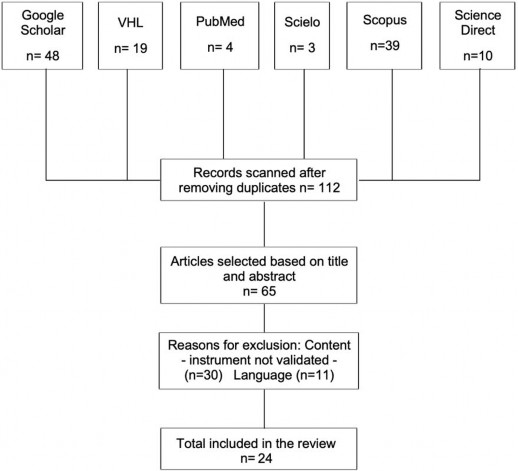
Figure 1. Flow diagram
Source: Own elaboration
Arch Med (Manizales). 2026;26(1)
aplicación de las propiedades psicométricas: nine studies included adolescents or university students, eight involved adults and older adults, and the remaining studies focused on specific health conditions, nursing professionals, indig- enous communities or families. Although most validations supported the adequacy of the scale, one study did not demonstrate the validity of the 29-item version in Spanish adolescents, an aspect relevant for interpreting variability in structural validity and reliability results across contexts. (table 3).
The review evaluated eight key measure- ment properties: structural validity, internal consistency, cross-cultural validity, reliability, measurement error, criterion validity, construct validity, and responsiveness.
Regarding the quality of the psychometric tests, structural validity , criterion validity, construct validity, and responsiveness were
Vélez Álvarez C., Sánchez Palacio N., Betancurth Loaiza D.P. Measurement properties of the Sense of Coherence (SOC) scale: a narrative review.
Arch Med (Manizales). 2026;26(1)
evaluated as “very good” in all the manuscripts reviewed in the research.
Although the methodological quality as- sessment of structural validity and criterion validity was “very good,” when applying the commonly reported psychometric indicators and thresholds used to quantitatively analyse each test (results column in table 4), not all results were sufficiently “+.” For the previous Confirmatory Factor Analysis (CFA), values were found. Comparative Fit Index (CFI) or Tucker-Lewis Index (TLI) values lower than 0.95; Root Mean Square Error of Approxima- tion (RMSEA) equal to or greater than 0.06 or Standardised Residual Mean Ratio (SRMR) greater than 0.082, and for the second, Area Under the Curve (AUC), Pearson or Spear- man values lower than 0.70. In some cases, these data were not identified, so the result appeared as indeterminate (?). For Construct Validity and responsiveness, all results were sufficient “+” when hypothesis agreement was recognised in the research.
A general analysis of risk of bias showed variability in methodological quality across the studies, particularly in the assessments of internal consistency, cross-cultural validity, reliability and measurement error. Among these properties, internal consistency and cross-cul- tural validity demonstrated comparatively stron- ger performance, with predominantly positive results. Internal consistency was consistently supported by acceptable Cronbach alpha val- ues (≥0.70), while cross-cultural validity showed no significant differences across the groups in which the scale was evaluated. In contrast, reliability and measurement error presented greater methodological limitations, reflecting
inconsistencies in reporting and weaker adher- ence to recommended criteria.
Reliability and measurement error were the psychometric properties with the weakest performance across the reviewed studies. In the analysis of reliability, both qualitative and quantitative assessments frequently showed limitations: although some studies reported acceptable ICC or KMO values, a considerable proportion did not reach the recommended thresholds of 0.70, resulting in several insuffi- cient (–) or indeterminate (?) ratings. This in- consistency indicates variability in the temporal stability and reproducibility of the SOC across settings and populations.
A similar pattern was evident for measure- ment error. More than half of the studies as- sessing this property presented methodological shortcomings, largely due to the absence of key indicators such as Limits of Agreement or Small- est Detectable Change. As a result, quantitative outcomes were often rated as indeterminate (?) or insufficient (–), limiting the capacity to draw firm conclusions about precision and minimal detectable change.
In contrast, a smaller subset of studies demonstrated consistently high methodological quality across properties, with sufficient results in most psychometric tests. However, the overall pattern reveals substantial variability among studies, with some showing strong performance and others presenting doubtful or inadequate methodological quality. This heterogeneity un- derscores the need for cautious interpretation of the reliability and measurement error evidence, particularly when applying the SOC scale in diverse populations and contexts.(table 3).
Vélez Álvarez C., Sánchez Palacio N., Betancurth Loaiza D.P. Measurement properties of the Sense of Coherence (SOC) scale: a narrative review.
Arch Med (Manizales). 2026;26(1)
Table 3. General characteristics of the items
Article | Year | Country | Original language | Version Scale | Population | Validation Result |
[18] | 2018 | Spain | Spanish | SOC-13 | University nursing students | Proven validity |
[19] | 2017 | Ecuador | Spanish | SOC-29 | University students | Proven validity |
[20] | 2014 | Mexico | Spanish | SOC-29 SOC-13 | University students | Proven validity |
[21] | 2016 | Spain | Spanish | SOC-13 | University students | Proven validity |
[22] | 2007 | Spain | Spanish | SOC-13 | Adults over 70 years of age | Proven validity |
[23] | 2011 | Spain | Spanish | SOC-29 | Adolescents | No validity demonstrated |
[24] | 2011 | Brazil | Spanish | SOC-29 | Nursing Professionals | Proven validity |
[25] | 2018 | Norway | English | SOC-13 | Adults and Older Adults | Proven validity |
[26] | 2015 | Portugal | English | SOC-29 | Older Adults | Proven validity |
[27] | 2014 | Brazil | English | SOC-29 SOC-13 | Cardiac patients | Proven validity |
[28] | 2015 | Peru | English | SOC-13 | University students | Proven validity |
[29] | 2016 | United States | English | SOC-13 | American Indian population | Proven validity |
[30] | 2019 | Slovenia | English | SOC-13 | Patients with Multiple Sclerosis | Proven validity |
[31] | 2012 | Italy | English | SOC-13 | Adults | Proven validity |
[32] | 2011 | China | English | FSOC-S | Family | Proven validity |
[33] | 2018 | Australia Finland Turkey | English | SOC-13 | Young people | Proven validity |
[34] | 2010 | Iran | English | SOC-13 | University students | Proven validity |
[35] | 2017 | Greece | English | SOC-29 | Patients with diabetes, chronic obstructive pulmonary disease and rheumatic diseases | Proven validity |
[36] | 2020 | Italy | English | SOC-R | Adults | Proven validity |
[37] | 2019 | Sweden | English | FSOC-S | Family | Proven validity |
[38] | 2015 | Norway | English | SOC-29 | Elderly | Proven validity |
[39] | 2011 | Netherlands | English | SOC-13 | Adults | Proven validity |
[40] | 2016 | Denmark | English | SOC-13 | Adults | Proven validity |
[41] | 2012 | Netherlands | English | SOC-13 | Young adolescents | Proven validity |
Source: own elaboration
Quality of scientific evidence
Structural validity was examined through different statistical indicators, including CFI (n=14), RMSEA (n=12), MDSM (n=6), CFA
(n=4), and TLI (n=1). Among these, the SRMR and TLI indices showed the most consistent performance across studies. The remaining indicators, such as CFI, RMSEA and CFA, displayed wider variability, with some studies reporting values aligned with expected stan-
dards of model fit and others showing less favourable results.
Despite this variation, the overall set of find- ings—derived from a large cumulative sample of 29,605 participants—suggests that the SOC scale generally presents an acceptable facto- rial structure across different populations and adaptations, as summarised (table 4).
The internal consistency of the SOC scale showed a strong and consistent performance
Vélez Álvarez C., Sánchez Palacio N., Betancurth Loaiza D.P. Measurement properties of the Sense of Coherence (SOC) scale: a narrative review.
Arch Med (Manizales). 2026;26(1)
across the studies that assessed this property. In a cumulative sample of 30,062 participants, all reported Cronbach’s alpha values above 0.70, indicating that the items tended to cor- relate positively and measure a coherent un- derlying construct across different versions and populations.
Cross-cultural validity was examined in nine studies with a total of 4,020 participants. These analyses explored whether the scale functioned similarly across groups defined by gender, lan- guage, country and specific health conditions. Overall, the results indicated that the SOC scale maintained stable performance across these groups, with no significant differences report- ed in the comparisons. This suggests that the instrument demonstrates a satisfactory degree of measurement invariance across diverse populations.
Reliability, assessed through indicators such as KMO and ICC in 23 studies with a combined sample of 29,149 participants, showed mixed results. Although several studies reported val- ues above 0.70, the findings were not consistent across all analyses. Differences in the perfor- mance of the indicators suggested variability in the temporal stability and reproducibility of the SOC scale, with some studies showing stronger reliability and others reporting weaker or inconclusive outcomes.
Measurement error, examined in 18 stud- ies, also presented considerable variation. In many cases, essential information required to estimate this property such as indicators related to agreement or detectable change, was not fully reported, which limited the ability to determine the precision of the scale. As a result, the overall patterns across studies reflected inconsistent reporting and limited evidence regarding the magnitude of mea- surement error.
Criterion validity was examined in 20 studies with a combined sample of 27,366 participants. Across these studies, the SOC scale tended to show positive associations with external measures, as reflected in AUC, Pearson and Spearman coefficients generally above 0.70. These findings suggest that the scale demon- strates an adequate level of correspondence with related constructs, supporting its use in diverse contexts.
Construct validity was explored through correlations with a wide range of established instruments, including measures of lifestyle, functioning, anxiety, depression, psychological distress, traumatic stress, suicide risk and resil- ience. The consistently significant associations observed across these comparisons indicate that the SOC scale behaves in line with theo- retical expectations, particularly regarding its links with mental health, coping and resilience. This convergence supports the interpretative coherence of the construct.
Responsiveness was evaluated in five studies involving 2,038 participants. Although different methodological approaches were used, all studies examined whether the SOC scale could detect changes over time, typically through pre–post assessments. In each case, the results showed significant differences be- tween measurement points, suggesting that the scale has the capacity to capture meaningful changes when they occur.
Content validity was addressed in only one study, which focused on an adaptation of the short Family Sense of Coherence Scale. This evaluation was based on expert judgement and comprehension testing, providing useful but limited evidence. Because content validity was not assessed more broadly, general conclusions about this property cannot be drawn from the available studies.
Vélez Álvarez C., Sánchez Palacio N., Betancurth Loaiza D.P. Measurement properties of the Sense of Coherence (SOC) scale: a narrative review.
Arch Med (Manizales). 2026;26(1)
Table 4. Table of study results by measurement property
Article | Language in which the questionnaire was evaluated | Structural validity | Cronbach’s internal consistency (alpha(s)) | Cross-cultural validity Measurement invariance | Reliability | Measurement error | ||||||||||
n | Quality | Reported findings | n | Quality | Result (rating) | n | Quality | Result (rating) | n | Quality | Reported findings | n | Qualit y | Reported findings | ||
1 | Spanish | 384 | Very good | CFI 0.975 (+) RMSEA 0.041 (+) SRMR 0.041 (+) | 384 | Very good | 0.809 (+) | 384 | Very good | (+) | 384 | Doubtful | KMO 0.91 (+) | 384 | Doubtful | (?) |
2 | Spanish | 415 | Very good | CFI 0.8 (-) | 415 | Very good | 0.71 (+) | 415 | Very good | (+) | 415 | Doubtful | KMO 0.80 (+) | 415 | Doubtful | (?) |
3 | Spanish | 523 | Very good | CFA 0.77 (-) | 523 | Very good | 0.914 (+) | 523 | Doubtful | (?) | 523 | Doubtful | KMO 0.912 (+) | 523 | Doubtful | (?) |
4 | Spanish | 508 | Very good | CFI 0.973 (+) RMSEA 0.039 (+) | 508 | Very good | 0.81(+) | NA | 508 | Very good | ICC 0.61 (-) | 508 | Very good | (+) | ||
5 | Spanish | 419 | Very good | RMSEA 0.043 (+) | 419 | Doubtful | 0.80 (+) | 419 | Very good | (+) | 419 | Doubtful | KMO 0.80 (+) | 419 | Doubtful | (-) |
6 | Spanish | 7580 | Very good | CFI 0.95 (+) RMSEA (+) SRMR (+) | 7580 | Very good | 0.82 (+) | NA | 7580 | Inadequate | KMO 0.90 (+) | 7580 | Doubtful | (-) | ||
7 | Spanish | 211 | Very good | CFA 0.97 (+) | 211 | Very good | 0.87 (+) | NA | 211 | Inadequate | (?) | NA | ||||
8 | English | 6951 | Very good | CFI >0.95 RMSEA <0.06 (+) | 6951 | Very good | >0.70 (+) | NA | 6951 | Inadequate | (?) | 6951 | Doubtful | (?) | ||
9 | English | 1291 | Very good | RMSEA 0.046 (+) CFI 0.972 (+) TLI 0.957 (+) | 1291 | Very good | 0.930 (+) | NA | 1291 | Inadequate | (?) | 1291 | Very good | (+) | ||
10 | English | NA | 203 | Very good | 0.86 (+) | 203 | Very good | (+) SOC-13 (-) SOC-29 | 203 | Inadequate | (?) | NA | ||||
11 | English | 448 | Very good | CFI 0.92 (-) RMSEA 0.06 (-) | 448 | Very good | 0.80 (+) | NA | 448 | Very good | ICC 0.59 (-) | 448 | Very good | (+) | ||
12 | English | 1016 | Very good | SRMR 0.07 (+) | 1016 | Very good | 0.84 (+) | NA | 1016 | Inadequate | (?) | 1016 | Very good | (+) | ||
14 | English | 134 | Very good | CFI 0.953 (+) RMSEA 0.059 (+) SRMR 0.065 (+) | 134 | Very good | 0.88 (+) | NA | 134 | Very good | ICC >0.70 (+) | NA | ||||

Article | Language in which the questionnaire was evaluated | Structural validity | Cronbach’s internal consistency (alpha(s)) | Cross-cultural validity Measurement invariance | Reliability | Measurement error | ||||||||||
n | Quality | Reported findings | n | Quality | Result (rating) | n | Quality | Result (rating) | n | Quality | Reported findings | n | Qualit y | Reported findings | ||
15 | English | 913 | Very good | (?) | 913 | Very good | 0.825 (+) | 913 | Very good | (+) | NA | NA | ||||
16 | English | 256 | Very good | CFI 0.71 (-) | 256 | Very good | 0.83 (+) | 256 | Very good | (+) | 256 | Very good | ICC 0.75 (+) | NA | ||
17 | English | 556 | Very good | CFI >0.95 (+) RMSEA >0.06 (-) | 556 | Very good | 0.70- 0.92 (+) | 556 | Very good | (+) | 556 | Very good | ICC 0.39- 0.77 (-) | NA | ||
18 | English | 375 | Very good | CFI > 0.95 (+) | 375 | Very good | 0.77 (+) | NA | 375 | Very good | KMO 0.81 (+) | 375 | Very good | (+) | ||
19 | English | 374 | Very good | CFI 0.97 (+) | 374 | Very good | 0.89 (+) | NA | 474 | Very good | ICC 0.97 (+) | 374 | Doubtful | (?) | ||
20 | English | 689 | Very good | CFA 0.83 (-) CFI (0.78) (-) | 689 | Very good | 0.70 (+) | NA | 689 | Very good | ICC 0.51 (-) | 689 | Very good | (+) | ||
21 | English | 351 | Very good | CFA 0.80 (-) | 351 | Very good | 0.92; 0.93 (+) | 351 | Very good | (+) | 351 | Very good | KMO (0.89) (+) ICC 0.64 (-) | 351 | Doubtful | (-) |
22 | English | 2069 | Very good | SRMR 0.052 (+) RMSEA 0.049 (+) | 2069 | Very good | 0.91 (+) | NA | 2069 | Very good | ICC 0.56 (-) | 2069 | Doubtful | (?) | ||
23 | English | 1361 | Very good | CFI 0.723; 0.941 (-) RMSEA 0.055; 0.115 (?) | 1361 | Very good | 0.80 (+) | NA | 1361 | Very good | ICC 0.75 (+) | 1361 | Doubtful | (?) | ||
24 | English | NA | 254 | Very good | 0.84 (+) | NA | 254 | Very good | ICC 0.75 (+) | 254 | Very good | (+) | ||||
25 | English | 2781 | Very good | RMSEA <0.015 (+) | 2781 | Very good | 0.78 (+) | NA | 2781 | Very good | ICC 0.93 (+) | 2781 | Doubtful | (?) | ||
Grouped or summarised result (overall rating) | 29605 | CFI 0.71-0.975 RMSEA 0.015-0.115 SRMR 0.041- 0.07 CFA 0.77 - 0.97 TLI 0.957 (+) | 30062 | 0.70- 0.93 (+) | 4020 | 8 (+) 1(?) 1(-) (+) | 29149 | KMO 0.80–0.91 ICC 0.39–0.97 (?) | 27789 | 7(+) 3 (-) 8(?) (?) | ||||||

Vélez Álvarez C., Sánchez Palacio N., Betancurth Loaiza D.P. Measurement properties of the Sense of Coherence (SOC) scale: a narrative review.
Arch Med (Manizales). 2026;26(1)
Vélez Álvarez C., Sánchez Palacio N., Betancurth Loaiza D.P. Measurement properties of the Sense of Coherence (SOC) scale: a narrative review.
Arch Med (Manizales). 2026;26(1)
Table 4. Table of study results by measurement property (part 2)
Article | Language in which the questionnaire was evaluated | Criterion validity | Construct validity | Responsiveness | ||||||
n | Study characteristics | Reported findings | n | Study characteristics | Result or (classification) | n | Quality | Result or (ranking) | ||
1 | Spanish | 384 | Very good | AUC 0.84 (+) | 384 | Very good | (+) | NA | ||
2 | Spanish | 415 | Very good | AUC 0.71 (+) | NA | NA | ||||
3 | Spanish | 523 | Very good | AUC 0.78 (+) | NA | NA | ||||
4 | Spanish | 508 | Very good | AUC 0.753 (+) | NA | 508 | Very good | (+) | ||
5 | Spanish | 419 | Very good | (?) | 419 | Very good | (+) | NA | ||
6 | Spanish | 7580 | Very good | AUC 0.80 (+) | NA | NA | ||||
7 | Spanish | NA | 211 | Very good | (+) | 211 | Very good | (+) | ||
8 | English | 6951 | Very good | (?) | NA | NA | ||||
9 | English | 1291 | Very good | AUC 0.72 (+) | NA | NA | ||||
10 | English | 203 | Very good | AUC 0.61 (-) | 203 | Very good | (+) | NA | ||
11 | English | 448 | Very good | Pearson >0.70 (+) | NA | NA | ||||
12 | English | NA | 1016 | Very good | (+) | NA | ||||
14 | English | 134 | Very good | Pearson 0.77 (+) | 134 | Very good | (+) | NA | ||
15 | English | NA | NA | NA | ||||||
16 | English | 256 | Very good | Pearson 0.75 (+) | 256 | Very good | (+) | 256 | Very good | (+) |
17 | English | NA | NA | NA | ||||||
18 | English | 375 | Very good | (-) | NA | NA | ||||
19 | English | 374 | Very good | Pearson -0.530; 0.652 (-) | 374 | Very good | (+) | 374 | Very good | (+) |
20 | English | 689 | Very good | (?) | 689 | Very good | (+) | 689 | Very good | (+) |
21 | English | 351 | Very good | Spearman 0.85 (+) | NA | NA | ||||
22 | English | 2069 | Very good | Spearman 0.35-0.66 (-) | NA | NA | ||||
23 | English | 1361 | Very good | Spearman 0.71 (+) | NA | NA | ||||
24 | English | 254 | Very good | Spearman 0.92 (+) | NA | NA | ||||
25 | English | 2781 | Very good | Spearman 0.82 (+) | NA | NA | ||||
Grouped or summarised result (overall rating) | 27366 | AUC 0.61-0.84 Pearson -0.530-0.75 Spearman 0.35-0.92 (+) | 3686 | 9(+) | 2038 | 5 (+) | ||||
”+” sufficient, “-” insufficient, “?” indeterminate // AUC - area under the curve // CFA - confirmatory factor analysis // CFI - comparative fit index // ICC - intraclass correlation coefficient // RMSEA: root mean square error of approximation // SRMR: standardised root mean square residuals // TLI - Tucker-Lewis index // KMO - Kaiser-Meyer-Olkin index
The symbols (+), (–), and (?) are used for descriptive purposes within the narrative synthesis and should not be interpreted as a formal methodological quality assessment Source: own elaboration

Vélez Álvarez C., Sánchez Palacio N., Betancurth Loaiza D.P. Measurement properties of the Sense of Coherence (SOC) scale: a narrative review.
Arch Med (Manizales). 2026;26(1)
This review evaluated the measurement properties reported in 24 studies that analysed the psychometric properties of the Sense of Coherence Scale (SOC). The aim of this work was to provide a theoretical and methodological contribution through the analysis of the results corresponding to each psychometric criterion evaluated.
Structural validity in this study, assessed in 22 articles, demonstrated high methodological quality with representative samples. In this regard, Guilbert, cited by Baladrón et al. [42], suggests that validity should be understood as the degree of precision with which an instrument measures what it intends to measure, includ- ing aspects such as reliability, objectivity, and content relevance. Similarly, Hernández and Domínguez [43] argue that structural validity is based on the analysis of the homogeneity of the items included in an instrument, as this analysis provides statistical evidence supporting whether the instrument measures the construct it intends to assess and whether each item corresponds appropriately to its respective theoretical di- mension.
These findings are consistent with recent psychometric studies that confirm the structural stability of the SOC scale across different popu- lations and cultural contexts. Several validation studies conducted in Europe, Asia, and Latin America have reported acceptable factorial fit indices for the SOC-13 version and confirmed the theoretical components proposed by An- tonovsky [44-46].
Regarding internal consistency, the results indicate that the SOC-13 demonstrated ade- quate psychometric properties. Specifically, the scale showed that all items measure the same underlying construct, reflecting a single latent theoretical dimension in which items are correlated with one another [47]. Accord- ing to Vega Martínez et al. [18], the analysis of consistency through Cronbach’s alpha is
central when evaluating the reliability of an instrument, with acceptable values typically ranging between 0.70 and 0.90. In the present study, internal consistency values for the items analysed were greater than 0.70, supporting the reliability of the scale.
Recent studies have reported similar reli- ability values for the SOC-13 scale in diverse contexts, reinforcing the stability of this mea- surement property across populations. For example, Domínguez-Salas et al en 2022 [48] and Mafla et al. [49] en 2021 reported Cron- bach’s alpha values above 0.80 in clinical and community populations. Likewise, other studies conducted in university and working populations have reported similar reliability results, support- ing the robustness of the instrument in different sociodemographic contexts [50].
According to the description by Le et al. [51], intercultural validity allows for the evalu- ation of the relationships between the different components that constitute an instrument and how these components function across cultur- al contexts. In this sense, the methodological quality of the studies included in this review was generally very good, and in terms of risk of bias, only one article was classified as doubtful.
Reliability and measurement error were properties whose qualitative and quantitative evaluations showed comparatively lower results when analysing the different mea- surement parameters. In this regard, method- ological quality was often rated as doubtful, indeterminate, or insufficient. Some authors argue that new analytical approaches should be considered for evaluating measurement error, such as the use of confidence intervals to provide more precise estimates [52]. Mea- surement error is also inherent in self-report instruments, which may introduce a certain degree of subjectivity in participants’ respons- es [53]. Likewise, other studies emphasize the importance of conducting further analyses to obtain more accurate estimates of these mea- surement properties [54].
Vélez Álvarez C., Sánchez Palacio N., Betancurth Loaiza D.P. Measurement properties of the Sense of Coherence (SOC) scale: a narrative review.
Arch Med (Manizales). 2026;26(1)
Recent methodological studies also rec- ommend complementing traditional reliability analyses with additional indicators such as the standard error of measurement and minimal detectable change, which allow for a more precise interpretation of measurement error in psychometric instruments [55].
The results of this review also demonstrat- ed high-quality evidence for criterion validity in the instruments analysed. This finding is consistent with Evers et al., cited by Nóblega et al. [56], who argue that although different types of validity evidence are important and complementary when adapting an instrument, criterion validity becomes particularly relevant when the objective is to make predictions or analyse behavioural responses to specific phenomena. Furthermore, this type of validity allows researchers to examine not only the measurement of a single construct but also its relationship with other relevant variables [57].
Recent research supports these findings by demonstrating significant associations between sense of coherence and health-related out- comes such as mental well-being, resilience, and quality of life. Several studies have shown that higher SOC scores are associated with lower levels of stress, anxiety, and psychologi- cal distress, highlighting its role as a protective psychosocial resource [58].
Construct validity was also supported by the results of this study. This was evidenced through statistically significant correlation coefficients (p < 0.05) with other instruments designed to analyse constructs conceptually related to the Sense of Coherence. According to Di Luciano et al. [59], this type of validity is essential, as it requires verification through comparisons with other measures that assess similar constructs, demonstrating statistical correspondence between them.
Finally, the evaluation of responsiveness in the analysed articles was rated as high quality. For García et al. [60], this psychometric prop-
erty is necessary insofar as it allows for the estimation of responsiveness to change and sensitivity (ability to detect changes), mainly in instruments that seek to analyse specific health states [61, 62].
Overall, the findings of this review reinforce the evidence that the Sense of Coherence Scale presents adequate psychometric properties across different populations and contexts, sup- porting its continued use as a reliable instrument in health promotion, mental health research, and public health studies.
This narrative review achieved its objective by synthesizing and critically interpreting the available evidence on the measurement prop- erties of the Sense of Coherence (SOC) scale across diverse populations and contexts. More explicitly, the findings indicate that the scale demonstrates consistent structural validity, supported by adequate model fit indices in most studies; high internal consistency, with Cronbach’s alpha values generally above 0.70; and adequate cross-cultural validity, reflected in its stable performance across different contexts and population groups. In addition, criterion and construct validity were consistently supported, showing coherent associations with variables related to mental health, coping, and well-be- ing, while responsiveness was also found to be adequate, confirming the scale’s ability to detect changes over time. Overall, these find- ings confirm a globally adequate psychometric performance and support the SOC scale as a robust instrument for health research.
However, the synthesis of evidence also re- veals important methodological limitations and gaps in the literature. In particular, reliability showed heterogeneous results across studies, reflecting variability in the temporal stability of the instrument, while measurement error was insufficiently assessed or inconsistently report- ed, limiting the precision of its estimates. Fur- thermore, content validity was rarely evaluated,
Vélez Álvarez C., Sánchez Palacio N., Betancurth Loaiza D.P. Measurement properties of the Sense of Coherence (SOC) scale: a narrative review.
Arch Med (Manizales). 2026;26(1)
representing one of the most significant gaps identified in the current evidence.
In this context, although the SOC scale is widely applicable across different populations and settings, some of its measurement proper- ties require cautious interpretation, particularly in methodologically heterogeneous contexts. Therefore, future research should prioritize strengthening the methodological rigor of psy- chometric evaluations, including more standard- ized and robust assessments of reliability and measurement error, as well as the systematic incorporation of content validity analyses. Ex- panding validation efforts in underrepresented populations and contexts is also essential.
Addressing these gaps will contribute to consolidating the psychometric evidence of the SOC scale and enhancing its application in public health and mental health research.
This review has inherent limitations in nar- rative designs, such as potential selection bias and limited reproducibility compared to system- atic approaches. However, efforts were made to ensure transparency in study selection by ex- plicitly describing the search strategy, inclusion criteria, and selection process. Furthermore,
SANRA were applied to enhance rigor, the het- erogeneity of the included studies in terms of populations, instrument versions, and reported psychometric properties may have affected the comparability of the results.
Consuelo Vélez Álvarez: Conceptualisa- tion, Data curation, Formal analysis, Research, Methodology, Resources, Software, Writing – original draft, Writing, revision and editing. Nata- lia Sánchez Palacio: Conceptualisation, Data curation, Formal analysis, Research, Method- ology, Resources, Software, Writing – original draft, Writing, revision and editing. Diana Paola Betancurth Loaiza: Conceptualisation, Data curation, Formal analysis, Research, Method- ology, Resources, Software, Writing – original draft, Writing, revision and editing.
Conflict of interest: The authors have de- clared that there is no conflict of interest.
Funding: This research was supported by the University of Caldas, code 0278120
AI Usage Statement: No artificial intelligence was used in this research.
Vélez Álvarez C., Sánchez Palacio N., Betancurth Loaiza D.P. Measurement properties of the Sense of Coherence (SOC) scale: a narrative review.
Arch Med (Manizales). 2026;26(1)
Soriano Rodríguez AM. Design and validation of measurement instruments. Diá-logos Journal. 2014;8(14): 19-40. Available at: https://www.revistas.udb.edu.sv/ojs/index.php/dl/article/view/166.
Eriksson M, Lindström B. Validity of Antonovsky’s sense of coherence scale: a systematic review. J Epidemiol Community Health. 2005;59(6):460–6. doi: https://doi.org/10.1136/jech.2003.018085.
Liu X, Zhao H, Song S, Wen R, Liu B, Luo Y. Effectiveness of a salutogenic intervention on self-perception of aging and sense of coherence for community-dwelling older adults: A quasi-experimental study. Geriatr Nurs. 16 de febrero de 2026;69:103943. doi:10.1016/j.gerinurse.2026.103943 PubMed PMID: 41702334.
Jasiński AM, Derbis R, Rakoczy J, Wrzesińska M. The sense of coherence scale and relationships between sense of coherence, sociodemographic variables and chronic disease. Sci Rep. 2025;15:18289. doi:10.1038/s41598-025-02998-6.
Hernán M, Morgan A, Mena ÁL. Training in salutogenesis and health assets. Andalusian School of Public Health, editor. Granada; 2010. Available at: https://www.easp.es/project/formacion-en-salutogenesis-y-activos-para-la-salud/.
Herrera Torres I, Carreras Salcedo E, Vega Pozuelo SF. Salutogenesis, the new positivist perspective on health. Journal of Preventive Medicine and Public Health. 2017.
Available at: https://www.revista-portalesmedicos.com/revista-medica/salutogenesis/.
Sánchez-Palacio N, Vélez-Álvarez C, Betancurth-Loaiza DP, Sánchez-Palacio N, Vélez-Álvarez C, Betancurth- Loaiza DP. Validación de contenido y adaptación de la escala de sentido de coherencia 29 para la población colombiana. Revista Facultad Nacional de Salud Pública. diciembre de 2021;39(3).
doi: https://doi.org/10.17533/udea.rfnsp.e342827.
Länsimies H, Pietilä A, Hietasola-Husu S, Kangasniemi M. A systematic review of adolescents’ sense of coherence and health. Scand J Caring Sci. 2017;31(4):651–61. doi: https://doi.org/10.1111/scs.12402.
Rivera F, García-Moya I, Moreno C, Ramos P. Developmental contexts and sense of coherence in adolescence: A systematic review. J Health Psychol. 2013;18(6):800–12. doi: https://doi.org/10.1177/1359105312455077.
Loaiza DPB, Palacio NS, Álvarez CV. Sentido de coherencia en universitarios: recurso para el cuidado en tiempos de pandemia. Revista Cuidarte [Internet]. 2022 [citado 6 de abril de 2026];13(3).
Disponible en: https://www.redalyc.org/journal/3595/359575082012/html/.
Elyasi M, Guimarães Abreu L, Badri P, Saltaji H, Flores-Mir C, Amin M. Impact of Sense of Coherence on Oral Health Behaviours: A Systematic Review . PLoS One. 2015;10(8):e0133918.
doi: https://doi.org/10.1371/journal.pone.0133918.
Cesarino Gomes M, Costa Dutra L, Melo Brito Costa EM, Martins Paiva S, Granville-Garcia AF, Castro Martins
C. Influence of sense of coherence on oral health-related quality of life: a systematic review. Qual Life Res. 2018;27(8):1973–83. doi: https://doi.org/10.1007/s11136-018-1832-5.
(11) Pino-Casado R, Espinosa-Medina A, López-Martínez C, Orgeta V. Sense of coherence, burden and mental health in caregiving: A systematic review and meta-analysis. J Affect Disord. 2019;242:14–21.
doi: https://doi.org/10.1016/j.jad.2018.08.002.
Perdigão Torres TA, Corradi-Dias L, Drummond Oliveira P, Castro Martins C, Martins Paiva S, Almeida Pordeus I, et al. Association between sense of coherence and dental caries: systematic review and meta-analysis. Health Promot Int. 2020;35(3):586–97. doi: https://doi.org/10.1093/heapro/daz038.
Baethge C, Goldbeck-Wood S, Mertens S. SANRA—a scale for the quality assessment of narrative review articles. Res Integr Peer Rev. 2019;4:5. doi: https://doi.org/10.1186/s41073-019-0064-8. PMID: 30962953.
Colombia. Ministry of Health and Social Protection. Resolution 8430 of 1993. 1993. Available at: https://www.minsalud.gov.co/sites/rid/Lists/BibliotecaDigital/RIDE/DE/DIJ/RESOLUCION-8430-DE-1993.PDF.
World Medical Association. World Medical Association. 2022. WMA Declaration of Helsinki – Ethical principles for medical research involving human subjects. Available at: https://www.wma.net/policies-post/wma-declaration-of- helsinki-ethical-principles-for-medical-research-involving-human-subjects/.
Vega Martínez M del C, Frías Osuna A, Del Pino Casado R. Validity and reliability of the sense of coherence scale in nursing students at a Spanish university. Gac Sanit. 2019;33(4):310–6.
doi: https://doi.org/10.1016/j.gaceta.2018.02.009.
Vélez Álvarez C., Sánchez Palacio N., Betancurth Loaiza D.P. Measurement properties of the Sense of Coherence (SOC) scale: a narrative review.
Arch Med (Manizales). 2026;26(1)
Nicolalde Cifuentes TM, Guevara Castillo MS, Heredia Aguirre SI. Dimensionality , and psychometric properties of the SOC scale in ESPOCH students. Revista mktDescubre. 2017;1(10):84–93. Available at: https://dspace.espoch.edu.ec:8080/server/api/core/bitstreams/286ff9c8-84fe-4276-afb4-3470915b3b0d/content.
Velázquez Jurado H, Cárdenas Rivera V, Chávez Franco A, Montes de Oca VO, Hernández Salazar P, Pulido Rull MA. Comparison of two forms of a sense of coherence scale. Intercontinental Journal of Psychology and Education. 2014;16(2):51–70. Available at: https://www.redalyc.org/articulo.oa?id=80231541004.
Lizarbe Chocarro M, Guillén-Grima F, Aguinaga-Ontoso I, Canga Armayor N. Validation of Antonovsky’s Life Orienta- tion Questionnaire (OLQ-13) in a sample of university students in Navarre. An Sist Sanit Navar. 2016;39(2):237–48. doi: https://doi.org/10.23938/assn.0270.
Virués-Ortega J, Martínez-Martín P, del Barrio JL, Lozano LM. Cross-cultural validation of Antonovsky’s Sense of Coherence Scale (OLQ-13) in elderly people over 70 years of age. Med Clin (Barc). 2007;128(13):486–92.
doi: https://doi.org/10.1157/13100935.
Rivera F, López A, Ramos P, Moreno C. Psychometric properties of the scale sense of coherence (SOC-29) in Spanish adolescents. Journal of Child and Adolescent Psychology. 2011;(4):11–39.
Available at: https://idus.us.es/items/dd97d6b1-ead7-4ea9-8b13-277c19ce8519.
Schmidt DRC, Dantas RAS. Analysis of validity and reliability of the adapted Portuguese version of Antonovsky’s Sense of Coherence Questionnaire among nursing professionals. Rev Lat Am Enfermagem. 2011;19(1):42–9. doi: https://doi.org/10.1590/S0104-11692011000100007.
Grødal K, Innstrand ST, Bauer GF, Haugan G, Rannestad T, André B. Validation of the Norwegian version of the work-related sense of coherence scale. Scand J Public Health. 2018;46(7):711–7.
doi: https://doi.org/10.1177/1403494817725466.
von Humboldt S, Leal I. The Orientation to Life Questionnaire: Validation of a Measure to Assess Older Adults’ Sense of Coherence. Educ Gerontol. 2015;41(6):451–65. doi: https://doi.org/10.1080/03601277.2014.983373.
Spadoti Dantas RA, Silva FS e, Ciol MA. Psychometric properties of the Brazilian Portuguese versions of the 29- and 13-item scales of the Antonovsky’s Sense of Coherence (SOC-29 and SOC-13) evaluated in Brazilian cardiac patients. J Clin Nurs. 2014;23(1–2):156–65. doi: https://doi.org/10.1111/jocn.12157.
Saravia JC, Iberico C, Yearwood K. Validation of sense of coherence (SOC) 13-item scale in a Peruvian sample. Journal of Behaviour, Health & Social Issues. 2015;6(2):35–44.
Available at: https://www.sciencedirect.com/science/article/pii/S2007078015300031.
Albino J, Shapiro ALB, Henderson WG, Tiwari T, Brega AG, Thomas JF, et al. Validation of the Sense of Cohe- rence Scale in an American Indian population. Psychol Assess. 2016;28(4):386–93.
doi: https://doi.org/10.1037/pas0000193.
Stern B, Socan G, Rener-Sitar K, Kukec A, Zaletel-Kragelj L. Validation of the Slovenian version of short sen- se of coherence questionnaire (SOC-13) in multiple sclerosis patients. Slovenian Journal of Public Health. 2019;58(1):31–9. doi: https://doi.org/10.2478/sjph-2019-0004.
Sardu C, Mereu A, Sotgiu A, Andrissi L, Jacobson MK, Contu P. Antonovsky’s Sense of Coherence Scale: Cultu- ral Validation of Soc Questionnaire and Socio-Demographic Patterns in an Italian Population. Clinical Practice & Epidemiology in Mental Health. 2012;8(1):1–6. doi: http://dx.doi.org/10.2174/1745017901208010001.
Ngai FW, Ngu SF. Translation and Validation of a Chinese Version of the Family Sense of Coherence Scale in Chi- nese Childbearing Families. Nurs Res. 2011;60(5):295–301. doi: https://doi.org/10.1097/NNR.0b013e3182269b00.
Lajunen T. Cross-Cultural Evaluation of Antonovsky’s Orientation to Life Questionnaire: Comparison Between Australian, Finnish, and Turkish Young Adults. Psychol Rep. 2019;122(2):731–47.
doi: https://doi.org/10.1177/0033294118765420.
Mahammadzadeh A, Poursharifi H, Alipour A. Validation of Sense of Coherence (SOC) 13-item scale in Iranian sample. Procedia Soc Behav Sci. 2010;5:1451–5. doi: https://doi.org/10.1016/j.sbspro.2010.07.306.
Paika V, Ntountoulaki E, Papaioannou D, Hyphantis T. The Greek Version of the Sense of Coherence Scale (SOC- 29): Psychometric Properties and Associations with Mental Illness, Suicidal Risk and Quality of Life. Journal of Psychology & Clinical Psychiatry. 2017;7(4). doi: https://doi.org/10.15406/jpcpy.2017.07.00449.
Chiesi F, Marunic G, Lau C. Validation study of an Italian version of the revised Sense of Coherence Scale (SOC- R). Current Psychology. 2022;41(2):705–12. doi: https://doi.org/10.1007/s12144-020-00606-6.
Vélez Álvarez C., Sánchez Palacio N., Betancurth Loaiza D.P. Measurement properties of the Sense of Coherence (SOC) scale: a narrative review.
Arch Med (Manizales). 2026;26(1)
Möllerberg ML, Årestedt K, Sandgren A, Benzein E, Swahnberg K. Adaptation and psychometric evaluation of the short version of Family Sense of Coherence Scale in a sample of persons with cancer in the palliative stage and their family members. Palliat Support Care. 2020;18(1):24–32. doi: https://doi.org/10.1017/S1478951519000592.
Söderhamn U, Sundsli K, Cliffordson C, Dale B. Psychometric properties of Antonovsky’s 29-item Sense of Co- herence scale in research on older home-dwelling Norwegians. Scand J Public Health. 2015;43(8):867–74.
doi: https://doi.org/10.1177/1403494815598863.
Naaldenberg J, Tobi H, van den Esker F, Vaandrager L. Psychometric properties of the OLQ-13 scale to measure Sense of Coherence in a community-dwelling older population. Health Qual Life Outcomes. 2011;9:37.
doi: https://doi.org/10.1186/1477-7525-9-37.
Ørts Hansen A, Kaae Kristensen H, Cederlund R, Tromborg H. Test–retest reliability of Antonovsky’s 13-item sense of coherence scale in patients with hand-related disorders. Disabil Rehabil. 2017;39(20):2105–11.
doi: https://doi.org/10.1080/09638288.2016.1215555.
Luyckx K, Goossens E, Apers S, Rassart J, Klimstra T, Dezutter J, et al. The 13-Item Sense of Coherence Scale in Dutch-Speaking Adolescents and Young Adults: Structural Validity, Age Trends, and Chronic Disease. Psychol Belg. 2012;52(4):351–68. doi: https://doi.org/10.5334/pb-52-4-368.
Baladrón J, Curbelo J, Sánchez-Lasheras F, Romeo-Ladrero JM, Villacampa T, Fernández-Somoano A. The 2015 MIR exam. An approach to structural validity through classical test theory. FEM. 2016;19(4):217–26. Available at: https://scielo.isciii.es/scielo.php?script=sci_arttext&pid=S2014-98322016000400008&lng=en&tlng=en.
Hernandez-Armenta I, Dominguez A. Evaluation of Perceptions of Interdisciplinarity: Validation of Instrument for Higher Education Students. Form Univ. 2019;12(3):27–38. doi: https://doi.org/10.4067/S0718-50062019000300027.
Super S, Wagemakers M a. E, Picavet HSJ, Verkooijen KT, Koelen MA. Strengthening sense of coherence: op- portunities for theory building in health promotion. Health Promot Int. diciembre de 2016;31(4):869-78.
doi: 10.1093/heapro/dav071 PubMed PMID: 26208654.
Tušl M, Šípová I, Máčel M, Cetkovská K, Bauer GF. The sense of coherence scale: psychometric properties in
a representative sample of the Czech adult population. BMC Psychol. 26 de mayo de 2024;12(1):293. doi: 10.1186/s40359-024-01805-7 PubMed PMID: 38796516; PubMed Central PMCID: PMC11128106.
Eriksson M, Lindström B. Validity of Antonovsky’s sense of coherence scale: a systematic review. J Epidemiol Community Health. junio de 2005;59(6):460-6. doi: 10.1136/jech.2003.018085 PubMed PMID: 15911640; PubMed Central PMCID: PMC1757043.
[42] Frías-Navarro D. Notes on estimating the internal consistency reliability of items in a measurement instrument. University of Valencia. Spain. 2022. Available at: https://www.uv.es/friasnav/AlfaCronbach.pdf
Domínguez-Salas S, Andrés-Villas M, Riera-Sampol A, Tauler P, Bennasar-Veny M, Aguilo A, et al. Analysis of the psychometric properties of the Sense of Coherence scale (SOC-13) in patients with cardiovascular risk factors: a study of the method effects associated with negatively worded items. Health Qual Life Outcomes. 10 de enero de 2022;20(1):8. doi: 10.1186/s12955-021-01914-6 PubMed PMID: 35012547; PubMed Central PMCID: PMC8751372.
Mafla AC, Herrera-López M, España-Fuelagan K, Ramírez-Solarte I, Gallardo Pino C, Schwendicke F. Psycho- metric Properties of the SOC-13 Scale in Colombian Adults. Int J Environ Res Public Health. 10 de diciembre de 2021;18(24):13017. doi: 10.3390/ijerph182413017 PubMed PMID: 34948627; PubMed Central PMCID: PMC8700993.
Chu JJ, Khan MH, Jahn HJ, Kraemer A. Sense of coherence and associated factors among university students in China: cross-sectional evidence. BMC Public Health. 16 de abril de 2016;16:336. doi: 10.1186/s12889-016-3003-3 PubMed PMID: 27083414; PubMed Central PMCID: PMC4833908.
Lee J, Lee EH, Hei Moon S. Systematic review of the measurement properties of the Depression Anxiety Stress Scales–21 by applying updated COSMIN methodology. Qual Life Res. 2019;28:2325–39.
Hong Le MT, Duc Tran T, Holton S, Thanh Nguyen H, Wolfe R, Fisher J. Reliability, convergent validity and factor structure of the DASS-21 in a sample of Vietnamese adolescents. PLoS One. 2017;12(7):e0180557.
Domínguez-Lara S. Confidence interval in reliability reports: a necessary analysis. An Sist Sanit Navar. 2016;39(1). doi: http://dx.doi.org/10.4321/S1137-6627/2016000100024
Dominguez- -Lara SA. Correlation attenuation and low reliability: does it really matter? Nutr Hosp. 2017;34(5):1261–
2. Available at: https://scielo.isciii.es/scielo.php?script=sci_arttext&pid=S0212-16112017000500032
Vélez Álvarez C., Sánchez Palacio N., Betancurth Loaiza D.P. Measurement properties of the Sense of Coherence (SOC) scale: a narrative review.
Arch Med (Manizales). 2026;26(1)
Mokkink LB, Elsman EBM, Terwee CB. COSMIN guideline for systematic reviews of patient-reported outcome measures version 2.0. Qual Life Res. noviembre de 2024;33(11):2929-39. doi:10.1007/s11136-024-03761-6 Pub- Med PMID: 39198348; PubMed Central PMCID: PMC11541334.
Nóblega M, Conde G, Nuñez del Prado J, Bárrig P, Marinelli F, Alcántara N, et al. Evidence of construct and criterion validity of the Massie-Campbell Attachment During Stress Scale (ADS). Acta Colomb Psicol. 2019;22(1):129–51. doi: https://doi.org/10.14718/ACP.2019.22.1.7
Argibay JC. Psychometric techniques. Issues of validity and reliability. Subjectivity and Cognitive Processes. 2006;(8):15–33. Available at: https://www.redalyc.org/pdf/3396/339630247002.pdf
Schäfer SK, Sopp MR, Fuchs A, Kotzur M, Maahs L, Michael T. The relationship between sense of coherence and mental health problems from childhood to young adulthood: A meta-analysis. J Affect Disord. 15 de marzo de 2023;325:804-16. doi:10.1016/j.jad.2022.12.106 PubMed PMID: 36638967.
Di-Luciano A, Montero M, Chewerk H. Construct validity of the use of virtual reality in cataract surgery: systematic review. Latin American Journal of Clinical Simulation. 2020;2(2):71–80. doi: https://doi.org/10.35366/95231
García González LA, Aguilar Sierra FJ, Moreno Serrano C, Enciso M. Translation, cultural adaptation and validation of an upper limb function scale: DASH. Colombian Journal of Orthopaedics and Traumatology. 2020;34(3):231–40. doi: https://doi.org/10.1016/j.rccot.2017.06.011
Pardal-Refoyo JL, Batuecas-Caletrío Á. Review of assessment tools for disability in vestibular pathology. ENT. 2018;9(2):145–64. doi: https://doi.org/10.14201/orl.17700
Sierra García L, Orta Pérez M, Moreno García FJ. Development and validation of an instrument for measuring the quality of audit services. Accounting Journal. 2017;20(2):167–75. doi: https://doi.org/10.1016/j.rcsar.2016.10.001